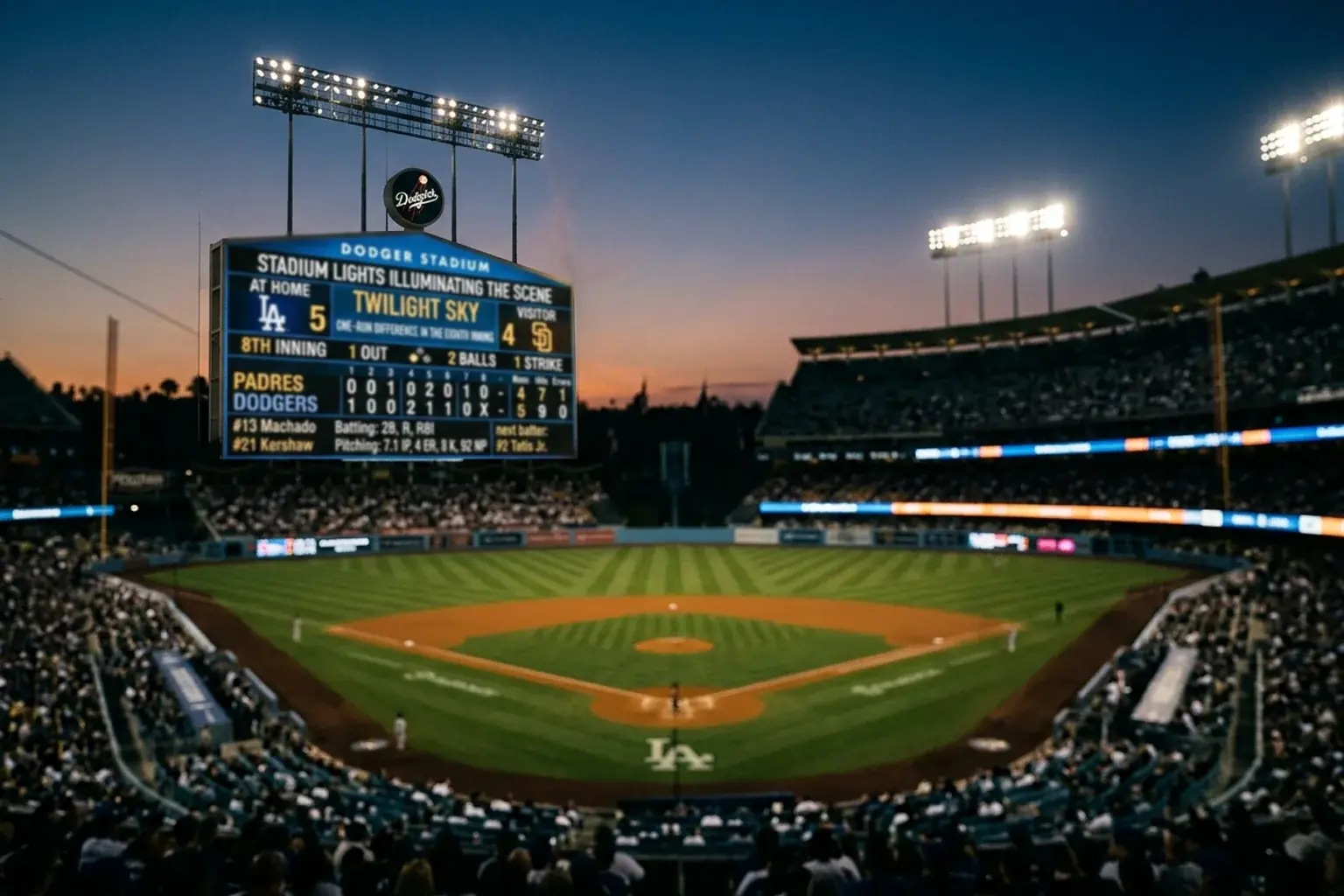
MLB NRFI Picks and Strategy: No Run First Inning Betting
 Available in US
NRFI Betting Strategy: Pitcher Matchups and Park Factors
The first time I bet an NRFI — No Run First Inning — the game had barely started and I was already collecting. Both starters retired the side in order, the first inning ended scoreless, and my bet was settled before I finished my first coffee. That immediacy is exactly why NRFI has become one of the most popular niche markets in baseball betting. Roughly 90% of all sports wagers are now placed on mobile devices, and more than half are live bets during games. NRFI caters perfectly to the modern bettor who wants fast resolution and clear outcomes.
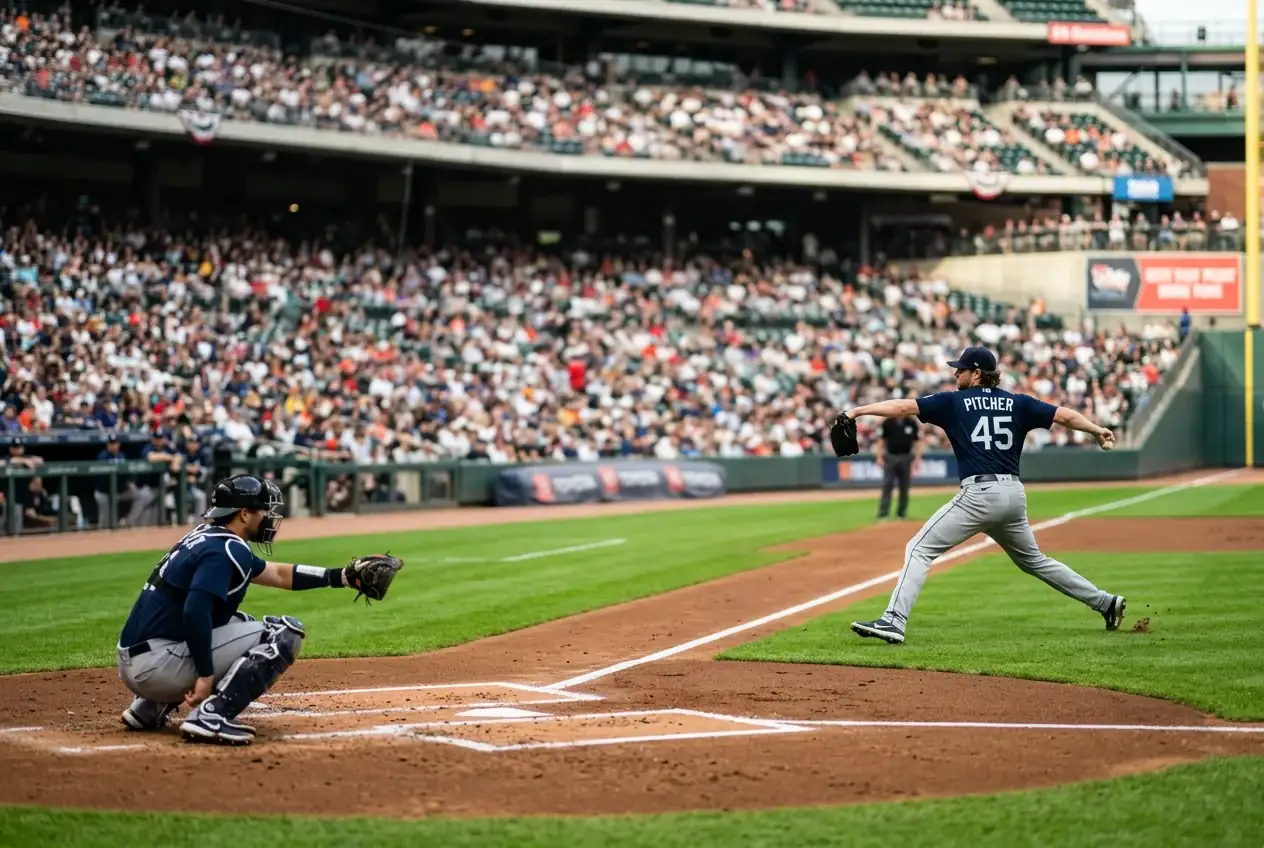
The premise is simple: you bet on whether the first inning of a game will be scoreless. NRFI means no runs score in the top and bottom of the first. YRFI — Yes Run First Inning — is the opposite side. The binary nature strips away much of baseball’s complexity. You are not projecting nine innings of strategy, bullpen management, and late-game pinch-hitting. You are evaluating six outs — three per half-inning — and the two pitchers who will face those batters.
Pitcher ERA, First-Inning OPS, and the Factors That Drive NRFI Outcomes
Not all scoreless first innings are created equal, and the mistake I see most often is bettors who look at a starter’s season ERA and call it analysis. Season ERA tells you how a pitcher performs over a full outing. It tells you almost nothing about the first inning specifically, because first-inning dynamics are different. Starters face the top of the order, which skews toward the lineup’s best hitters. There is no scouting data from earlier in the game to adjust off. The pitcher is at his freshest, but so are the batters.
The metrics that matter for NRFI evaluation are narrower. First-inning ERA is the obvious starting point — some pitchers consistently struggle early and settle in later, while others dominate the first frame and fade as the count of pitches rises. First-inning OPS allowed isolates how much damage batters do in that specific frame. Walk rate matters enormously, because a first-inning walk followed by a double is the most common way a scoreless inning becomes a scored one. And strikeout rate in the first inning tells you whether the pitcher is likely to overpower the top of the order or rely on contact outs that carry more risk.
I track these splits across a rolling thirty-start sample rather than season-to-date. The rolling window captures recent form without being thrown off by a single bad April start or a one-game blowup. When both starters in a matchup show first-inning ERAs below 2.50, strikeout rates above 25%, and walk rates below 7% over their last thirty starts, the probability of a scoreless first inning is meaningfully higher than the baseline. That is the sweet spot for NRFI bettors, and it appears more often than you might expect across a 162-game schedule.
Park Dimensions and Weather Variables in NRFI Analysis
I learned this lesson the hard way: a pitcher who consistently delivers scoreless first innings at Oracle Park in San Francisco is a different proposition at Coors Field in Denver. Park effects on first-inning scoring are real and measurable. Hitter-friendly parks produce more first-inning runs not because the batters are better but because the ball travels farther, outfield walls are closer, and the run-scoring environment is fundamentally different.
Coors Field is the extreme example, but it is not the only one. Great American Ball Park in Cincinnati, Globe Life Field in Arlington during summer, and Fenway Park with the wind blowing out all run hotter than league average for first-inning scoring. Conversely, pitcher-friendly parks like Petco Park in San Diego, Oakland Coliseum, and Tropicana Field suppress first-inning offense. When I model NRFI probabilities, the park adjustment can shift my estimated probability by 3 to 5 percentage points in either direction — enough to turn a marginal bet into a pass, or a pass into a play.
Weather introduces another layer. Wind direction and speed affect fly-ball outcomes directly. Temperature matters because the ball carries farther in warm air. Humidity plays a subtler role — denser humid air can actually reduce carry slightly, contrary to what most people assume. I do not pretend to run a meteorological model before every bet, but I do check the basic conditions: temperature above 29 degrees Celsius and wind blowing out to center field is a strong YRFI signal, regardless of who is pitching.
One variable that gets overlooked is the umpire. Home-plate umpires have measurably different strike zones, and a generous zone benefits the pitcher in ways that directly reduce first-inning scoring. Umpires who call a wide zone generate more called strikes, fewer walks, and more pitcher-favorable counts. The effect is not enormous, but in a market as narrow as NRFI, where outcomes are decided by a single at-bat, it can be the difference between a scoreless inning and a two-run frame.
Why NRFI Markets Draw Integrity Attention
There is a reason I cannot write about NRFI without addressing the integrity angle. Sports agent Scott Boras put it plainly when discussing the connection between prop bets and player credibility: once a pitcher overthrows and the ball sails fifty feet, people start wondering whether it was intentional. Boras argued that removing certain prop bets entirely is the only way to ensure that players’ integrity is never questioned — and NRFI sits right at the edge of that conversation.
NRFI bets resolve on the actions of exactly two players — the two starting pitchers. That concentration creates a vulnerability that broader markets do not share. A moneyline bet depends on contributions from eighteen position players, two starting pitchers, and multiple relievers across nine innings. An NRFI bet depends on six outs from two arms. If one of those pitchers is compromised, the market is compromised.
This is not a theoretical concern. The Clase pitch-fixing indictment demonstrated that individual pitch outcomes can be manipulated for profit. An NRFI market is only one level of abstraction above that — instead of manipulating a single pitch, a pitcher would need to allow a run in the first inning, which might require only one or two intentionally poor pitches. The barrier to manipulation is low, and the financial incentive is real because NRFI markets, while small individually, attract consistent volume from recreational bettors.
MLB’s post-Clase reforms capped pitch-level wagers at £158 and banned them from parlays, but NRFI bets were not directly restricted. They are classified as game-level derivative markets rather than pitch-level props, even though their resolution depends on a very small number of pitches. Whether that classification holds as integrity scrutiny deepens is an open question. For now, the market remains active and popular — but anyone betting NRFI should understand that they are wagering in a space where the integrity conversation is still evolving. The full scope of these vulnerability concerns is something I have explored in the context of MLB’s broader monitoring infrastructure.
What starting pitcher stats matter most for NRFI bets?
First-inning ERA, first-inning OPS allowed, walk rate, and strikeout rate in the opening frame are the most relevant metrics. Season-long ERA is less useful because it blends performance across all innings. A rolling thirty-start sample provides the best balance of recency and reliability. Pitchers with first-inning ERAs below 2.50, strikeout rates above 25%, and walk rates below 7% are strong NRFI candidates.
Are NRFI bets included in same-game parlays?
Yes, most sportsbooks allow NRFI bets to be included as legs in same-game parlays. However, NRFI outcomes are correlated with other first-inning markets, which means the sportsbook may adjust the combined odds to account for that correlation. Including NRFI in a parlay increases potential payout but also increases variance, since one first-inning run eliminates the entire parlay if NRFI is a required leg.
Written by the editors at mlb Players Betting.