Sports Betting Advertising Spending: £3.95 Billion Market Limits
 Available in US
Sports Betting Industry Advertising Spend: £3.95 Billion Analysis
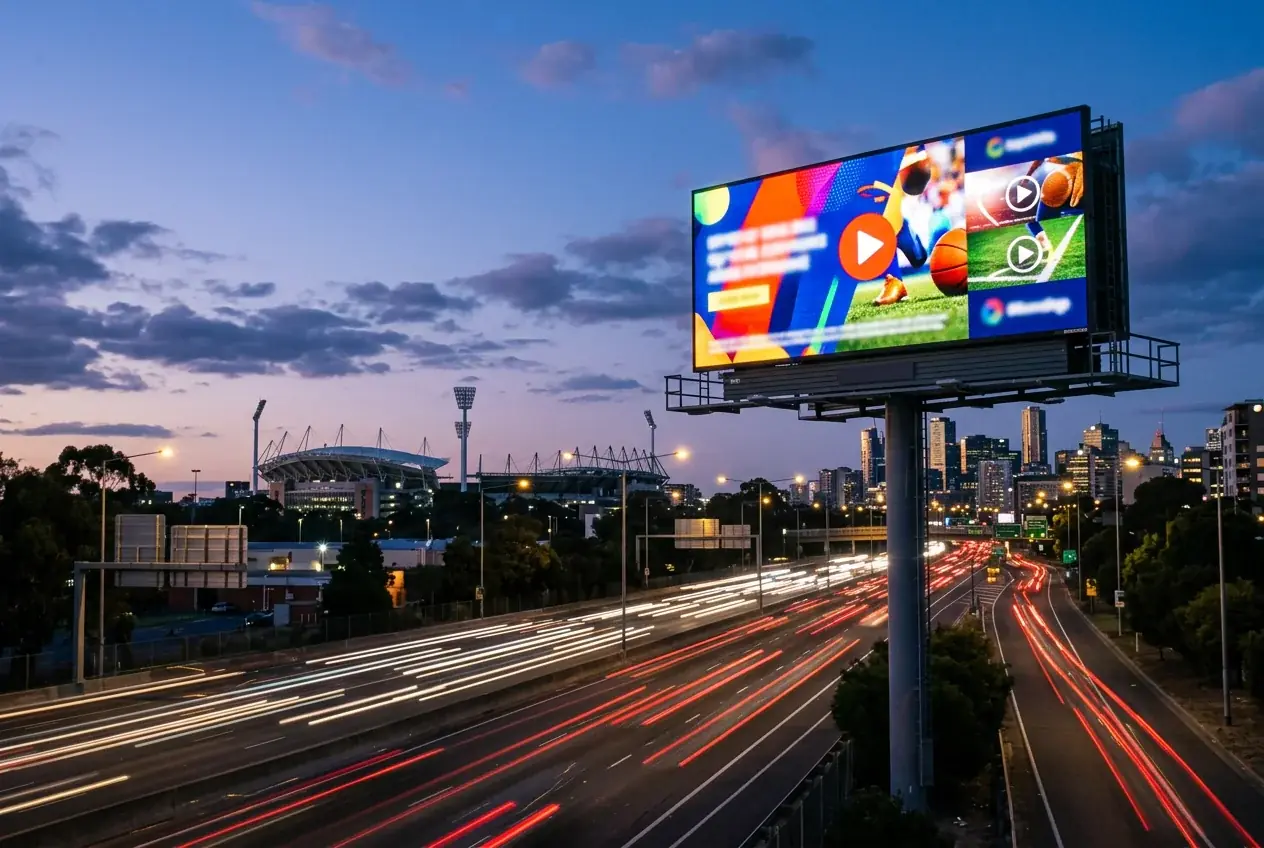
I cannot watch a baseball game without counting the betting advertisements. They are on the stadium walls, in the broadcast overlays, embedded in the pre-game shows, and pushed to my phone as notifications during the seventh-inning stretch. The sports betting industry spent an estimated £4.0 billion on advertising in 2024, and every pound of that spending is designed to do one thing: make placing a bet feel as natural as ordering a pizza. After nine years covering this industry, I can tell you it is working — and the consequences are not evenly distributed.
That £4.0 billion figure is not pocket change even by corporate-marketing standards. It places the sports betting industry among the largest advertising spenders in the UK, competing with categories like automotive and fast food for airtime and attention. The spend is concentrated in states where online betting is legal, which means that residents of places like New York, New Jersey, Ohio, and Illinois are saturated with messaging in ways that residents of non-legal states are not. The geographic concentration creates an uneven exposure map that tracks closely with where problem-gambling rates are rising fastest.
How £4.0 Billion in Ad Spend Compares to Other Industries
Context helps. The UK alcohol industry spends roughly £1.58 billion annually on advertising. The tobacco industry, heavily restricted by federal regulation, spends about £6.32 billion but almost entirely through retail promotions and coupons rather than broadcast media. The sports betting industry’s £4.0 billion sits between those two poles — less than tobacco’s total but delivered through far more visible channels. Television, digital platforms, podcasts, social media, and stadium signage give betting advertisements a presence that tobacco has not had in decades.
The per-customer acquisition cost tells an even sharper story. In the early years of legal betting, operators were spending £395 to £790 to acquire each new customer through sign-up bonuses, risk-free bet promotions, and advertising. That spending has moderated as the market matures, but the total volume continues to rise because operators are expanding into new jurisdictions and competing to retain existing customers. The result is an advertising ecosystem where the volume never declines — it just shifts from acquisition to retention, from splashy welcome bonuses to loyalty rewards and re-engagement campaigns.
The normalisation effect is the part that concerns me most. Advertising does not just drive transactions. It shapes cultural attitudes. When every sports broadcast includes multiple betting-brand integrations, when star athletes appear in sportsbook commercials, and when betting terminology becomes part of casual conversation, the psychological barrier to gambling drops. For adults who choose to participate knowingly, that is a matter of personal autonomy. For young people who absorb these messages before they are legally old enough to bet, it is a form of conditioning that public-health researchers are beginning to document and measure.
How Betting Revenue Flows Back Into the Sport Through Advertising
The relationship between sports leagues and betting advertising is circular in a way that I find endlessly fascinating. Sportsbooks pay leagues for official partnerships and data rights. Leagues use that revenue to fund operations and distribute to teams. Sportsbooks then spend billions on advertising, much of which runs during league broadcasts and in league venues. The leagues earn broadcast revenue from networks whose ratings are partly driven by the betting engagement that sportsbook advertising promotes. Every link in the chain reinforces the others.
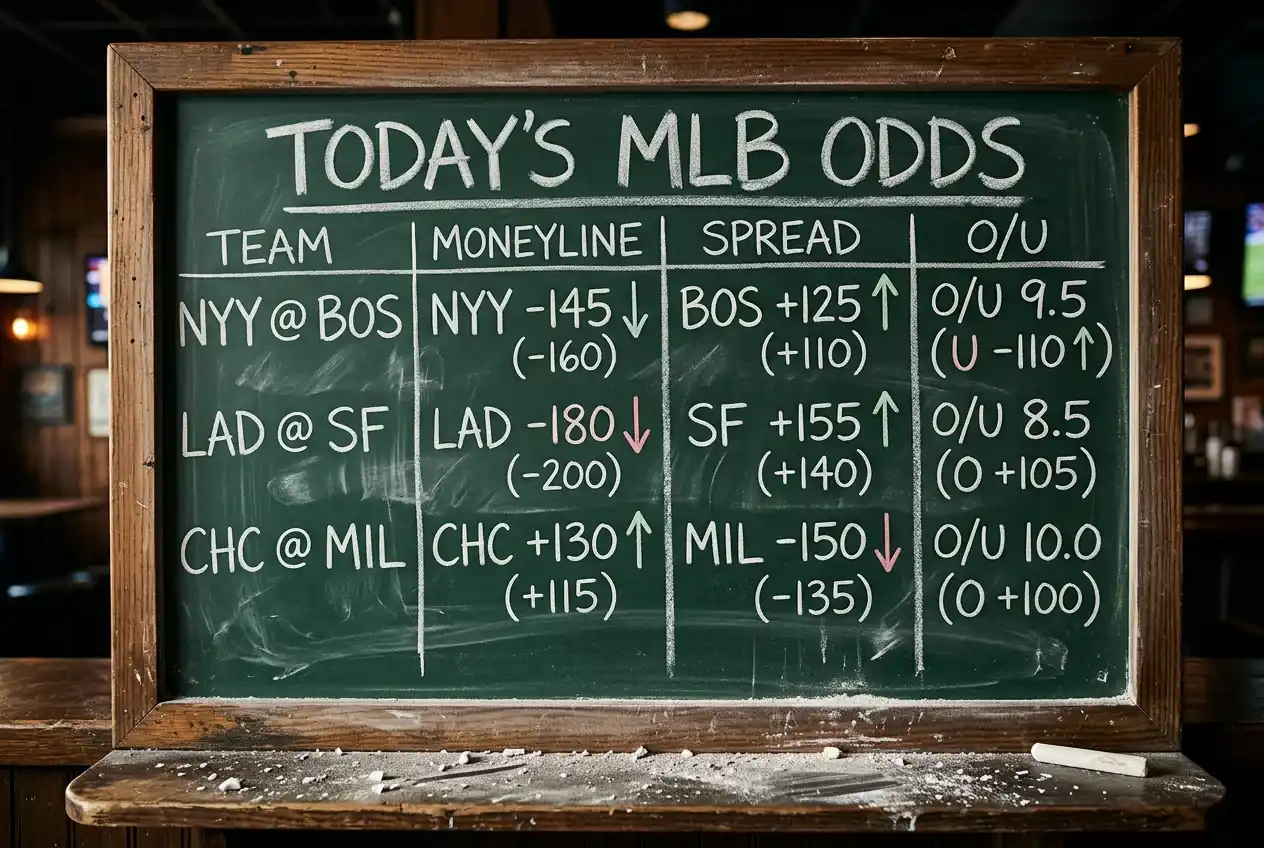
For MLB, this dynamic is explicit. The league has official betting partnerships with multiple operators, licensing official data and branding in exchange for revenue. Stadium signage for sportsbooks is visible during every nationally televised game. Pre-game and post-game programming often includes segments sponsored by betting brands, complete with odds displays and pick discussions. The integration is so thorough that separating MLB’s media product from its betting partnerships is no longer possible without fundamentally restructuring the broadcast model.
Ohio Governor Mike DeWine captured the tension when he described the deep, deep pockets betting companies wield to get someone to place that bet. DeWine was speaking about the broader industry, but the comment applies directly to the advertising relationship between leagues and operators. Baseball benefits financially from an advertising ecosystem that it simultaneously argues needs restraint. That contradiction is not lost on the legislators and regulators who are scrutinising the industry’s marketing practices.
State and Federal Pushback Against Gambling Advertising
The regulatory response to betting advertising has been slow but is accelerating. A handful of states have imposed restrictions on promotional offers, such as banning “risk-free bet” language that regulators argue is misleading because all bets carry risk. Some states limit the hours during which betting advertisements can air, or restrict their placement within broadcasts of college sporting events.
At the federal level, there is no specific regulation of sports betting advertising. The Federal Trade Commission has general authority over deceptive advertising but has not issued rules specific to the gambling industry. The Federal Communications Commission regulates broadcast content but has not intervened in betting-ad frequency or placement. That regulatory vacuum means the industry is effectively self-governed when it comes to marketing, with voluntary codes of conduct that critics argue lack teeth and enforcement.
International models offer a contrast. Australia, which went through a similar betting-advertising explosion a decade earlier, has since imposed significant restrictions including bans on live-odds advertising during sporting broadcasts and limits on bonus-bet promotions. The United Kingdom moved to ban gambling sponsorship of football shirts and restrict advertising volume during live sport. Whether the UK follows a similar trajectory is uncertain, but the direction of the international trend is clear: markets that allow unrestricted betting advertising eventually move toward regulation as the public health consequences become undeniable.
My expectation is that the UK will follow the international pattern on a delayed timeline. The industry’s lobbying power and the fragmentation of jurisdiction-level regulation will slow the process, but the political conditions for advertising restrictions are strengthening. When a governor like DeWine — who signed his state’s legalization bill — publicly criticises the advertising practices of the industry he enabled, the political ground has shifted. The question is no longer whether restrictions will come but how comprehensive they will be and which levels of government will impose them. The broader intersection of industry revenue, league partnerships, and integrity concerns is a theme I trace through the complete guide to MLB players and betting.
How much does the sports betting industry spend on advertising annually?
The sports betting industry spent an estimated £4.0 billion on advertising in 2024. That figure includes television, digital, social media, podcast, and stadium advertising across all legal markets. The total places the industry among the largest advertising categories in the UK, exceeding the alcohol industry and approaching levels comparable to automotive and fast-food marketing.
Are there federal regulations limiting sports betting advertisements in the UK?
As of 2026, there are no federal regulations specifically targeting sports betting advertising. The FTC has general authority over deceptive advertising, and some jurisdictions have imposed restrictions on promotional language and ad placement, but there is no national standard. The industry operates largely under voluntary codes of conduct. International markets including Australia and the United Kingdom have moved toward stricter restrictions, providing potential models for future UK regulation.
Prepared by the mlb Players Betting editorial staff.