PASPA Repeal and Baseball: Supreme Court Ruling and MLB Betting
 Available in US
Post-PASPA Repeal Reality: £474 Billion in Wagers and MLB Regulations
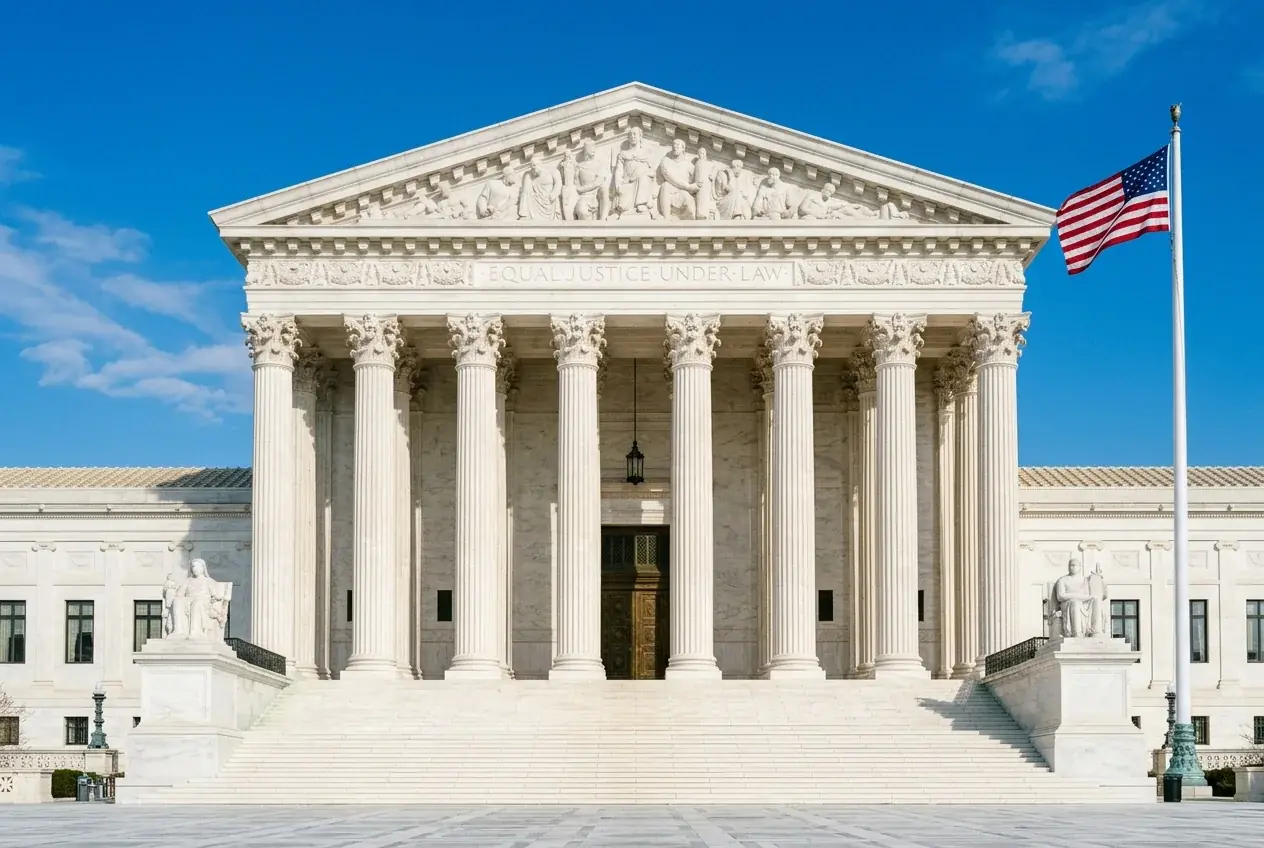
I remember the morning the Supreme Court handed down Murphy v. NCAA in May 2018. I was already covering sports betting as a niche interest, and the ruling turned that niche into the center of the sports conversation overnight. Since that decision struck down the Professional and Amateur Sports Protection Act, more than £474 billion has been legally wagered on sports in the UK. Baseball, a sport that has spent over a century defining itself in opposition to gambling, now exists inside a betting ecosystem that generates more revenue in a single month than the entire MLB regular season draws in gate receipts.
The PASPA repeal did not legalise sports betting nationally. What it did was remove the federal prohibition that prevented states from authorising it. The effect was immediate and cascading: New Jersey launched within weeks, and by the end of 2019, a dozen states had followed. As of 2026, all major UK-licensed jurisdictions offer some form of legal wagering. The total handle reached £132.00 billion in 2025 alone, generating £13.40 billion in gross gaming revenue for operators. Those numbers represent a market that did not legally exist eight years ago.
Murphy v. NCAA: What the Court Decided and Why
The case began in New Jersey, which had been trying to legalise sports betting at its racetracks and casinos for years. PASPA, passed in 1992, effectively grandfathered Nevada’s existing sports-betting market while prohibiting all other jurisdictions from authorising the activity. New Jersey argued that PASPA violated the Tenth Amendment by commandeering state governments — telling them what they could not legislate rather than regulating the activity directly through federal law.
The Supreme Court agreed, 6-3. Justice Samuel Alito, writing for the majority, held that PASPA unconstitutionally dictated what states could and could not do with their own gambling laws. The decision did not create a federal right to bet on sports. It simply removed the federal barrier, returning the question to each jurisdiction’s legislature. The ruling was narrow in its legal reasoning but transformative in its practical consequences.
Commissioner Rob Manfred’s response to the ruling reflected MLB’s complicated position. Manfred acknowledged that the league had been dragged into legalized sports betting as a litigant in a case that ended up in the Supreme Court, but recognized that one of the advantages of legalization was that it was far easier to monitor what was going on than it was with an illegal operation. That framing — legalization as a tool for integrity rather than a threat to it — became the foundation for every partnership and policy MLB has pursued since.
How MLB Pivoted From Opponent to Partner
Before 2018, MLB was part of the coalition fighting to preserve PASPA. The league filed amicus briefs, joined legal proceedings alongside the NCAA and other sports organisations, and publicly maintained that legalized betting threatened competitive integrity. Within two years of the ruling, MLB had signed data-distribution deals with sportsbook operators, approved betting-brand sponsorships for individual teams, and begun displaying odds on its digital platforms. The pivot was fast, pragmatic, and lucrative.
The economics drove the shift. Official data agreements gave MLB a revenue stream for licensing real-time game data to sportsbooks — pitch velocities, hit probabilities, in-game statistics that power live-betting markets. Sponsorship deals placed sportsbook logos on stadium signage, broadcast graphics, and digital content. The advertising spending of the sports betting industry — £4.0 billion in 2024 alone — flowed partly through MLB’s media ecosystem, boosting broadcast ratings and digital engagement metrics that translate to higher rights fees.
The cultural shift was equally significant. MLB began incorporating betting language into its broadcasts. Odds displays appeared alongside traditional statistics. Analysts discussed “line value” and “prop edges” in the same segments where they once debated batting orders and pitch selection. The league was not just tolerating betting — it was integrating it into the product, making wagering feel like a natural part of watching baseball rather than an external, potentially illicit activity.
For a league that had banned Pete Rose for life and displayed Rule 21 warnings in every clubhouse, the embrace of betting culture represented a philosophical reversal that is still being processed. The rules for players did not change. The world around those rules changed entirely.
Unintended Consequences: Integrity Risks, Scandals, and Regulatory Gaps
The PASPA repeal’s promise was that legalization would bring transparency and make integrity monitoring easier. That promise has been partially fulfilled and partially undermined. The transparency argument holds: legal sportsbooks share data with leagues, suspicious wagers can be traced, and bettor identities are verified. Tucupita Marcano was caught precisely because he bet through a regulated platform that cooperated with MLB’s Department of Investigations.
But the argument that legalization would make the game safer has collided with a reality that nobody fully anticipated: the sheer volume and granularity of legal betting markets has created new vectors for corruption that did not exist under PASPA. Pitch-level micro-bets, which became commercially viable only after the market scaled, gave Emmanuel Clase’s alleged co-conspirators a mechanism for monetising individual pitches. That market category did not exist when PASPA was repealed. It was a product of the post-legalization arms race among operators to offer more exotic, faster-settling, and more engaging bet types.
The regulatory gaps are structural. The PASPA repeal returned sports-betting authority to the states, which means there is no federal standard for integrity monitoring, data-sharing, or market design. A sportsbook operating in one state may have different reporting obligations than the same sportsbook in a neighbouring state. The Senate Commerce Committee’s investigation into MLB’s integrity failures is, in part, a response to this fragmentation — an acknowledgement that a national sport governed by jurisdiction-by-jurisdiction regulation is a contradiction that invites exploitation.
I have spent the years since the repeal watching this experiment unfold, and my assessment is that the net effect has been positive for the industry and ambiguous for the sport. Baseball has more revenue, more engagement, and more cultural relevance among younger demographics than at any point in the last twenty years. It also has more scandals, more regulatory scrutiny, and a deeper conflict of interest between its role as a sports league and its role as a business partner of the betting industry. Those two realities are not separate outcomes. They are the same outcome, viewed from different angles. The full story of how that tension plays out across every dimension of the sport — from scandals to strategy to integrity monitoring — is what I have been building across the complete guide to MLB players and betting.
Why did MLB initially oppose the legalization of sports betting?
MLB joined other major sports leagues in supporting PASPA, arguing that legal sports betting would threaten competitive integrity and public confidence in the fairness of games. The league filed amicus briefs and participated in legal proceedings aimed at preserving the federal prohibition. After the Supreme Court struck down PASPA in 2018, MLB reversed course and began building partnerships with sportsbook operators, citing the integrity advantages of a regulated market over an illegal one.
How has the PASPA repeal affected baseball’s gambling scandal rate?
Since the PASPA repeal in 2018, baseball has experienced its most concentrated period of gambling-related discipline in modern history. Tucupita Marcano received a lifetime ban in 2024, Emmanuel Clase and Luis Ortiz were indicted on federal charges in 2025, and several other players received suspensions for betting violations. At least five MLB-connected cases have occurred in the post-PASPA era, compared to effectively zero in the two decades prior. The increase reflects both greater access to betting platforms and more effective detection through data-sharing with legal operators.
Created by the ”mlb Players Betting” editorial team.