MLB Sportsbook Partnerships: Baseball Revenue vs Betting Rules
 Available in US
MLB Partnership Revenue: Selling Data to Sportsbooks
I have spent years trying to reconcile two facts about Major League Baseball. Fact one: the league will end a player’s career — permanently, irrevocably — for placing a single bet on a baseball game. Fact two: the league earns millions from official partnerships with the same sportsbook operators that accept those bets. Both facts are true simultaneously, and the tension between them defines the most uncomfortable structural question in modern professional sport.
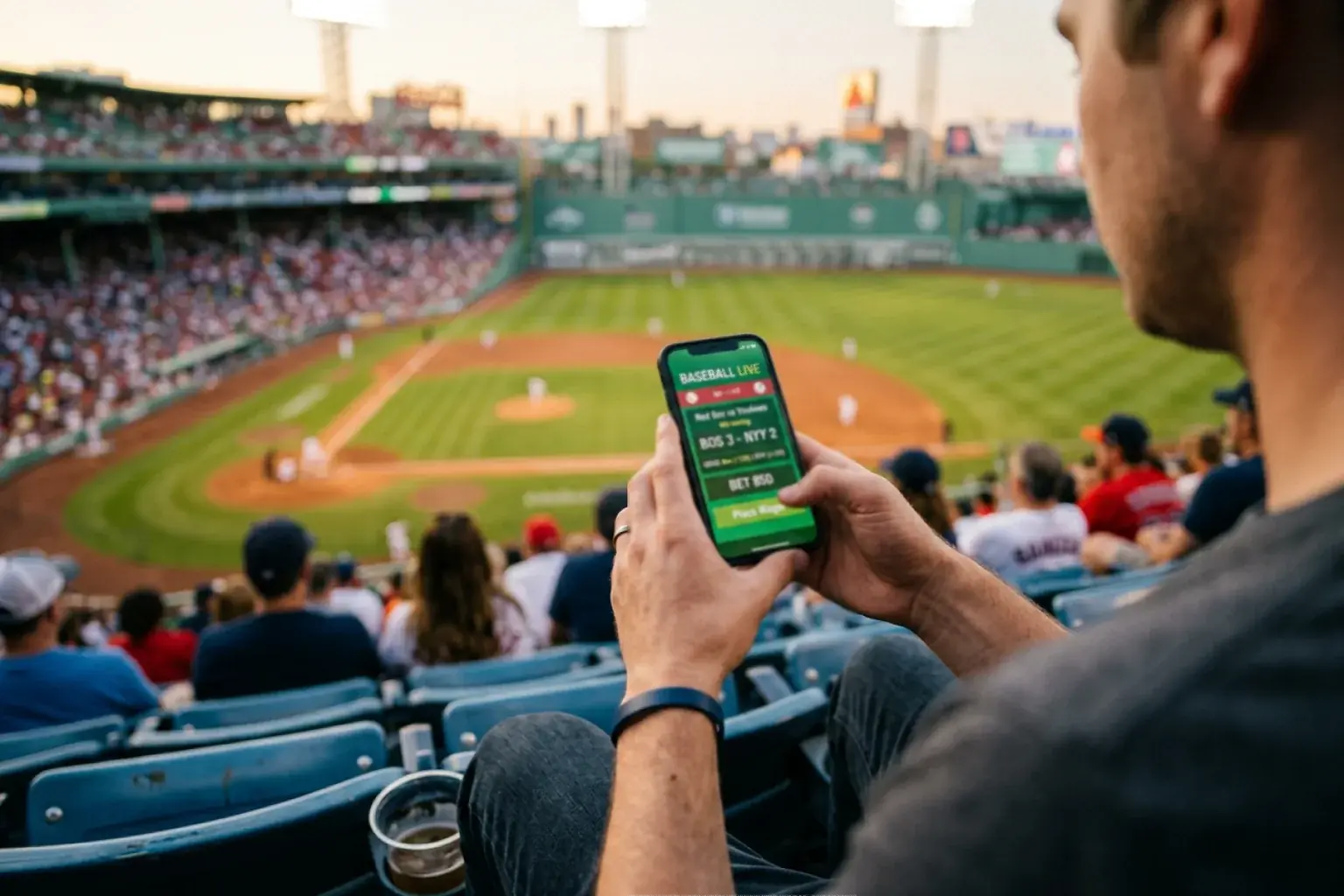
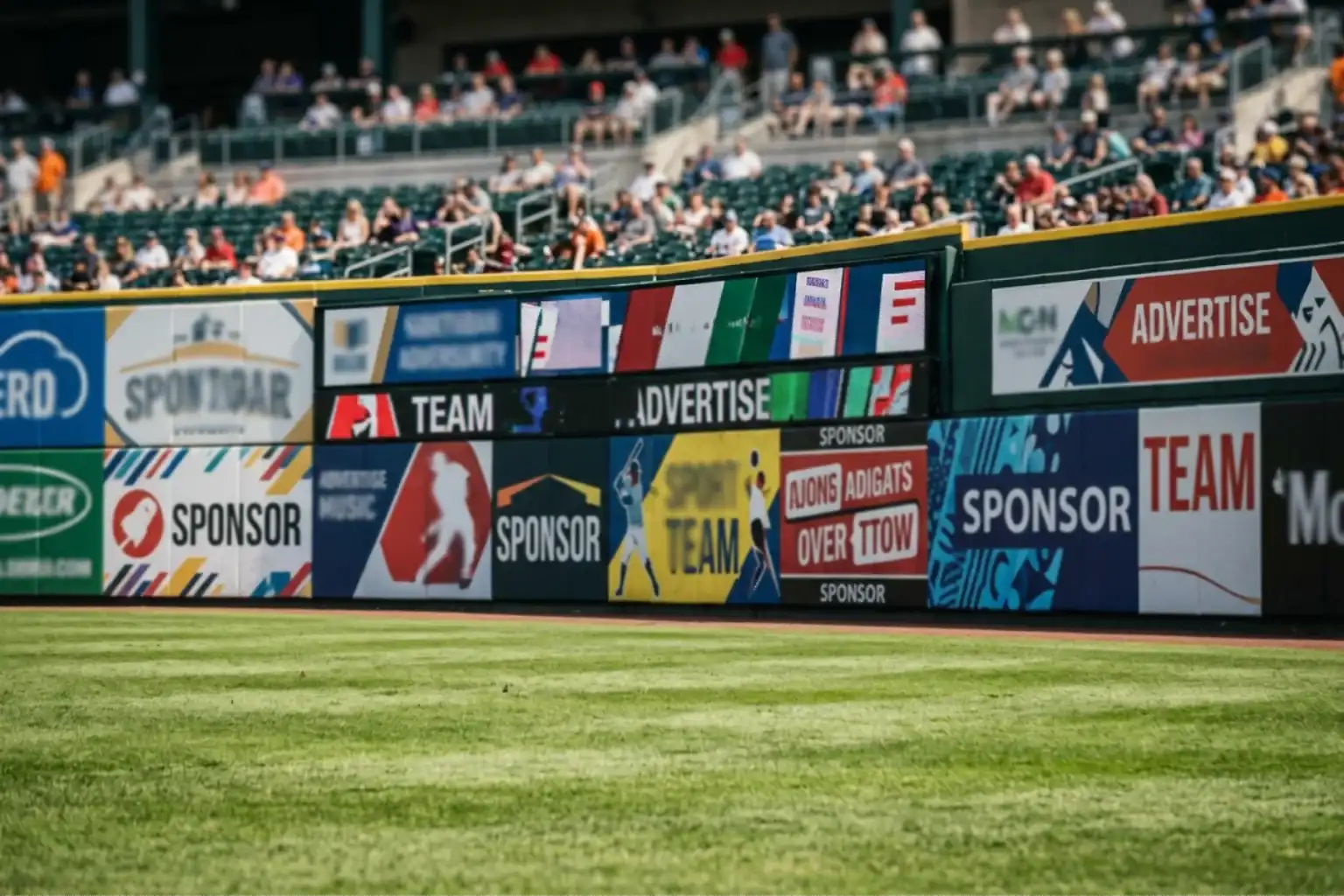
After the PASPA repeal in 2018, MLB moved rapidly from opponent of legalized betting to enthusiastic participant. The league signed official data-distribution agreements with multiple sportsbook operators, licensing real-time pitch data, hit probabilities, and game statistics that power the live-betting markets baseball now relies on for fan engagement. Individual teams signed their own sponsorship deals, placing sportsbook branding on stadium walls, behind home plate, and across their digital platforms. The revenue from these arrangements has become a material line item in baseball’s financial structure.
Official Data Deals, Sponsorship Tiers, and Revenue Splits
MLB’s data strategy centers on the concept of “official data.” The league licenses its proprietary Statcast data — pitch tracking, batted-ball metrics, player positioning, and other real-time information — to sportsbook operators through commercial agreements. This data is what powers live-betting odds: the instant recalculation of moneylines, totals, and props that happens after every pitch. Without official data, sportsbooks would rely on less precise third-party feeds or broadcast-delayed information, which would make their live markets slower and less accurate.
The value proposition for the league is straightforward. Sportsbooks need the data to operate competitive live markets. MLB controls the data. The licensing fees represent a new revenue stream that did not exist before the PASPA repeal. Commissioner Rob Manfred framed the relationship as a necessary consequence of operating in a legal-betting environment: once you are in that environment, he said, the crucial issue is access to data, which means you have to have a relationship with the sportsbooks.
Sponsorship operates at multiple tiers. League-wide deals give selected operators the right to use MLB trademarks, logos, and branding across their platforms. Team-level deals place sportsbook signage in individual stadiums and integrate betting brands into local broadcasts. The industry’s £4.0 billion in advertising spending in 2024 flowed partly through these channels, and MLB’s share — while not publicly disclosed — is large enough to influence the league’s calculus on every betting-related policy decision.
Revenue splits are not transparent. MLB does not publish the financial terms of its sportsbook partnerships. Industry estimates suggest that major-league data deals generate tens of millions annually for the league office, with additional revenue flowing to individual clubs through team-level sponsorships. The total is difficult to quantify because it is distributed across multiple contract types, but the direction is clear: baseball’s financial dependence on the betting industry is growing, not shrinking.
The Integrity Conflict: Regulator and Beneficiary in One
The structural conflict is simple to state and difficult to resolve. MLB is simultaneously the entity that profits from sports betting and the entity responsible for preventing sports betting from corrupting its games. The league collects licensing fees from the same operators whose platforms were used in the Marcano case. It earns sponsorship revenue from the same industry whose micro-bet products enabled the Clase scheme. It displays sportsbook advertising to the same fans whose betting behavior sometimes escalates into athlete harassment.
None of this means MLB is acting in bad faith. The league’s Department of Investigations has a genuine mandate to protect competitive integrity, and its cooperation with law enforcement in the Clase case was by all accounts substantive. But the conflict of interest is structural, not personal. When the entity investigating a corruption case also has a financial relationship with the industry that created the conditions for corruption, the credibility of the investigation is compromised — not because anyone did anything wrong, but because the incentive structure cannot be fully disentangled.
The Senate Commerce Committee has identified this conflict as a central concern of its investigation. Senators Cruz and Cantwell pointed to the emergence of manipulation across multiple leagues as evidence of systemic vulnerability, and their questions to Manfred specifically addressed whether MLB’s financial relationships with operators compromised its willingness to restrict the markets that pose the greatest integrity risk. The pitch-level micro-bet market, which ran for years before the Clase scandal forced restrictions, is the most concrete example of a product category that benefited operators and the league while creating the exact vulnerability that a fixer would exploit.
What Independent Oversight Could Look Like
The solution most commonly proposed is independent integrity oversight — a body that is not funded by the leagues or the operators and has the authority to investigate, sanction, and recommend market restrictions without the conflicts that internal enforcement creates. Several international sports have moved in this direction, with varying degrees of success.
In the UK, the closest analogue is the Gaming Control Boards that regulate casinos at the state level. These are government entities with enforcement power, funded by licensing fees and tax revenue rather than by the operators they oversee. Extending that model to sports-integrity monitoring would mean creating a body — potentially federal, potentially a multi-state compact — that sits between the leagues and the sportsbooks and has independent authority to investigate suspected corruption, mandate market restrictions, and impose penalties.
The political obstacles are significant. Leagues would resist ceding disciplinary authority to an external body. Operators would resist additional regulatory layers that increase compliance costs. States would debate whether the body should be federal or state-controlled. But the alternative — continuing to rely on leagues to police an industry they profit from — has produced the current situation, and the current situation includes a federal indictment, a congressional investigation, and a public-confidence problem that no amount of internal reform has resolved.
My view, informed by nearly a decade of covering this space, is that independent oversight is inevitable. The question is whether it arrives through proactive legislation or through the reactive force of the next scandal. Baseball has had more opportunities than any other sport to build this structure voluntarily, and it has chosen partnership over independence at every turn. That choice has been financially rewarding and reputationally costly, and the cost is compounding. The broader context of how baseball’s monitoring systems work — and where they have failed — is something I examine in the integrity monitoring analysis.
Which sportsbooks have official partnerships with MLB?
MLB has signed official data and sponsorship agreements with multiple major sportsbook operators, though the specific terms are not publicly disclosed. These partnerships give operators access to proprietary Statcast data for live-betting markets and the right to use MLB trademarks in their platforms. Individual teams have their own sponsorship deals with operators licensed in their states. The league does not publish a comprehensive list of all current partnerships.
Does MLB’s financial relationship with sportsbooks create a conflict of interest?
Yes, in structural terms. MLB profits from data licensing and sponsorship revenue paid by the same sportsbook operators whose platforms are used for betting on baseball games — including, in some cases, for fraudulent wagers. The league is simultaneously the financial beneficiary of the betting industry and the entity responsible for investigating corruption within it. The Senate Commerce Committee has identified this dual role as a central concern in its investigation of MLB’s integrity practices.
Published by the mlb Players Betting team.